Not All Sarees Are Created Equal
In today's market, it's easy to confuse handloom and powerloom textiles. Both produce beautiful fabrics, but the similarities end there. The choice between handloom and powerloom has profound implications for quality, heritage, and the lives of artisan communities.
What is Handloom?
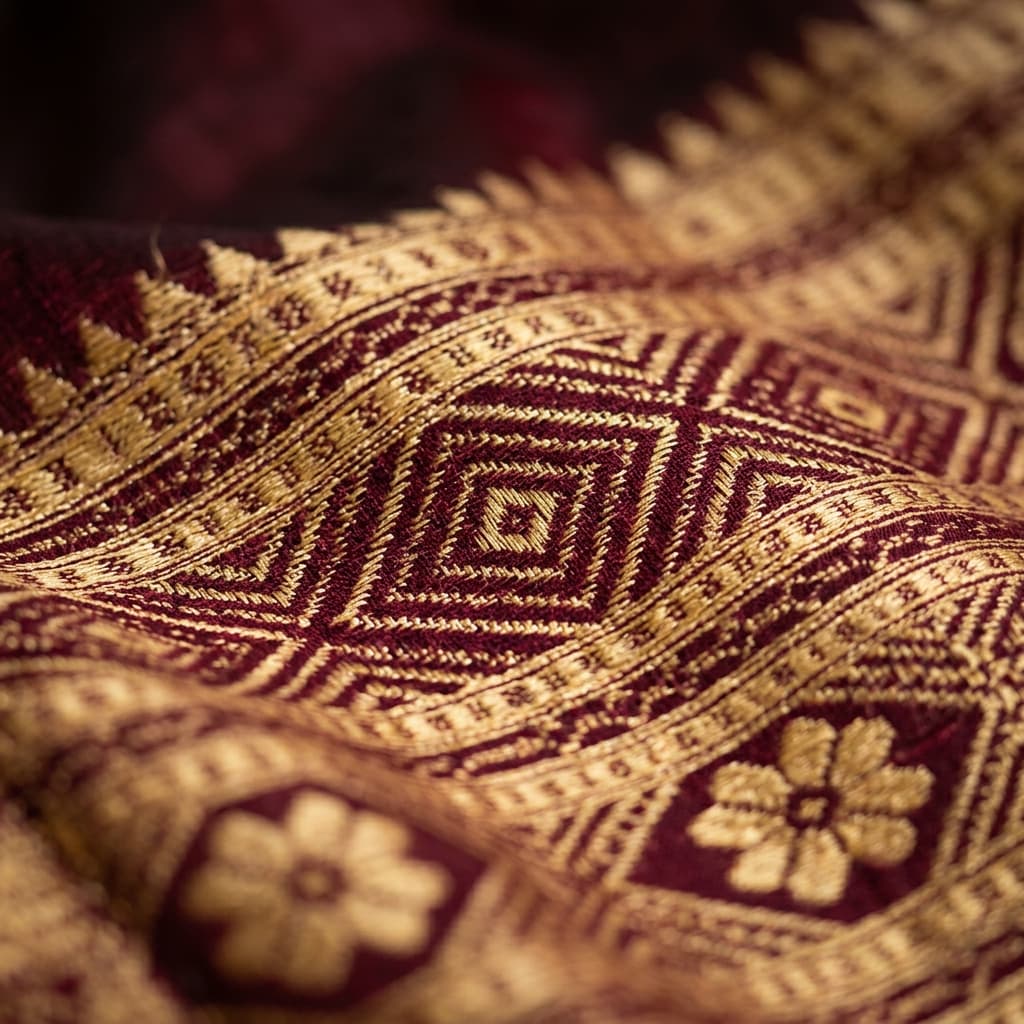
Handloom weaving is done entirely by hand on a wooden loom operated by foot pedals. The weaver controls every thread, every tension, and every pattern. A single saree takes 30-60 days of dedicated work. The result is a unique textile with character, breathability, and a natural drape that machines simply cannot replicate.
What is Powerloom?
Powerloom textiles are machine-produced, often replicating handloom patterns at a fraction of the cost and time. A powerloom can produce 10-15 sarees in the time it takes a handloom weaver to create one. While cheaper, powerloom fabrics lack the organic texture, breathability, and uniqueness of handwoven textiles.
Key Differences
Quality & Comfort
Handloom fabric is more breathable and comfortable in tropical climates because the varied tension of hand-weaving creates micro-gaps in the fabric. Powerloom fabric, with its uniform machine tension, is denser and less breathable.
Uniqueness
Every handloom saree is one-of-a-kind. The natural variations in handwork — slight differences in tension, dye absorption, and pattern alignment — give each piece its unique character. Powerloom sarees are identical copies.
Environmental Impact
Handloom weaving uses zero electricity and has a negligible carbon footprint. A single powerloom unit consumes significant electricity and contributes to industrial pollution.
Economic Impact
Handloom weaving supports entire artisan communities — each saree sold provides direct income to weavers and their families. Powerloom production concentrates profits in factory owners' hands while displacing traditional artisans.
The Human Cost of Choosing Powerloom
India's handloom sector employs over 3.5 million weavers, making it the second-largest employer after agriculture. But with the rise of cheap powerloom imitations, weaver incomes have plummeted. Many families have abandoned the craft entirely.
When you choose a genuine handloom saree from Ambika Handloom, you're casting a vote for heritage preservation, fair wages, and sustainable fashion. You're directly supporting the artisans of Odisha who have kept the Sambalpuri Ikat tradition alive for over 800 years.
Make the Conscious Choice
The next time you shop for a saree, ask yourself: do I want a mass-produced copy, or a genuine work of art that supports an entire community? The choice is clear.